Meta rolls out new anti-scam warnings across WhatsApp, Facebook and Messenger
Meta is rolling out new anti-scam warnings across WhatsApp, Facebook and Messenger, while tying the push to AI-led enforcement and a bigger advertiser-verification goal.
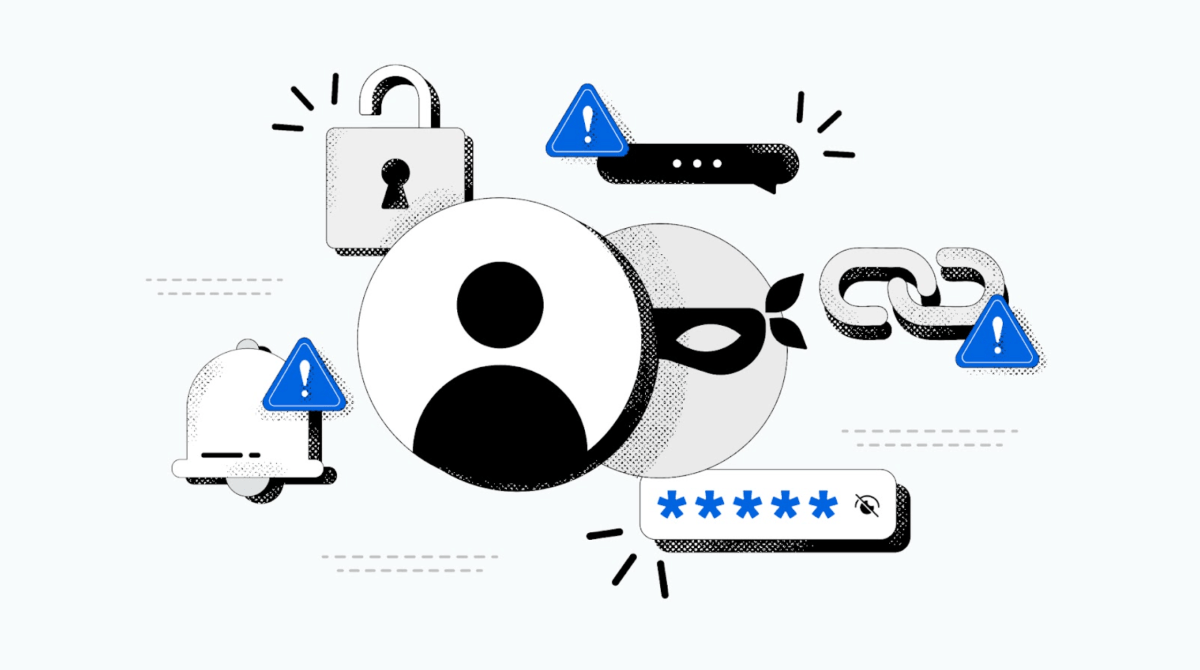
Meta's March 11 anti-scam announcement says the company is rolling out a new batch of anti-scam protections across WhatsApp, Facebook and Messenger, adding product-level warnings for suspicious device linking, friend requests and scam-like chats while pushing harder on advertiser verification and AI-led fraud detection.
The announcement gives Meta Rumors the clearest look yet at how Meta wants scam prevention to show up inside its consumer apps, not just inside backend enforcement systems. TechCrunch's independent coverage of the rollout also treated the changes as a meaningful product update, not just a trust-and-safety footnote.
WhatsApp, Facebook and Messenger are all getting new scam warnings
The company said the new protections span three separate surfaces:
- WhatsApp device-linking warnings when signals suggest a linking request may be suspicious
- Facebook alerts on suspicious friend requests when an account shows warning signs such as few mutual friends or a different listed country
- broader rollout of advanced scam detection on Messenger in more countries this month
WhatsApp's device-linking warning looks like the clearest user-facing change
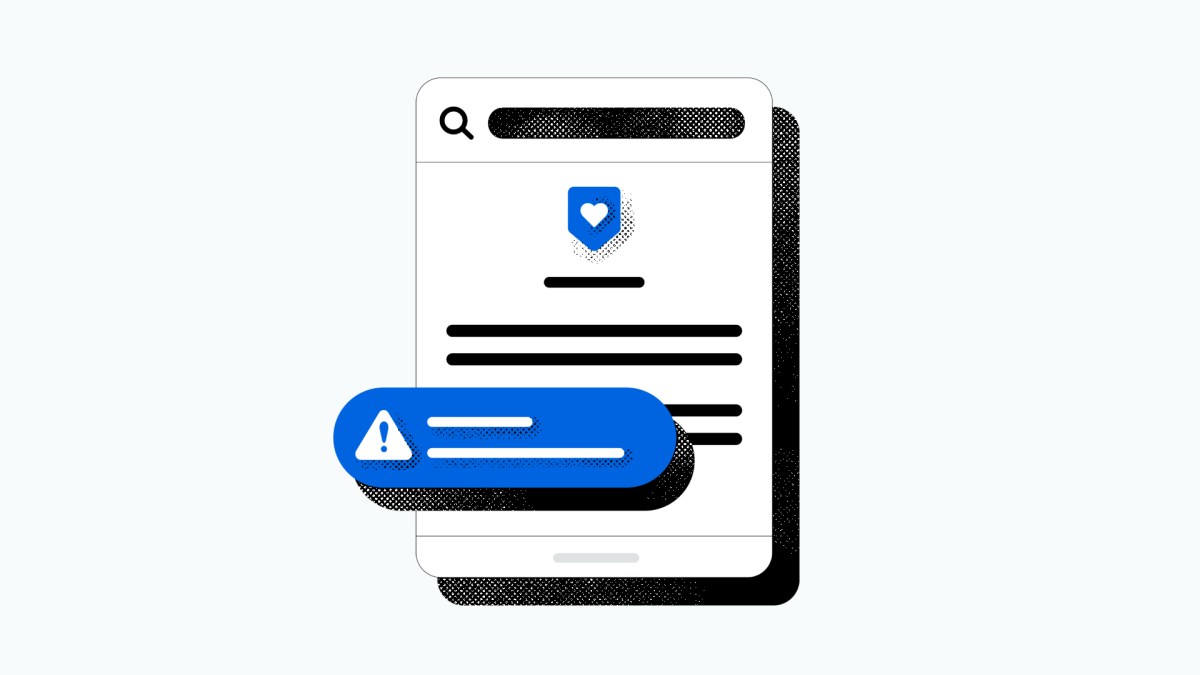
The WhatsApp change looks especially notable because it targets a scam pattern that can feel routine to users until it is too late. Meta said bad actors may try to get people to enter their phone number and then a device-linking code, or to scan a QR code “under false pretenses,” effectively linking the scammer's device to the victim's account. Meta says the new warning will show where the request is coming from and warn that it could be a scam before the link is completed.
On Facebook, the company is testing friend-request warnings rather than announcing a full rollout. The signal set Meta described is simple but practical: if an account has suspicious activity markers such as few mutual friends or a different country location, users may see an alert prompting them to review the request more carefully before accepting it.
Messenger is also getting a wider push for scam detection. Meta said its advanced scam-detection system is expanding to more countries this month and will warn users when a new-contact chat shows common scam patterns, such as suspicious job offers. Users can choose to share recent messages for an AI scam review, and if the system flags a likely scam, Meta says it will recommend actions such as blocking or reporting the account.
Meta says it removed more than 159 million scam ads in 2025
The announcement matters partly because Meta attached some real enforcement numbers to it. The company said it removed more than 159 million scam ads in 2025, with 92% taken down before anyone reported them. It also said it removed 10.9 million Facebook and Instagram accounts associated with scam centers.
Advertiser verification is becoming part of the anti-scam story
There is also a business-side signal here. Meta said it wants verified advertisers to account for 90% of ad revenue by the end of 2026, up from 70% today, with the final 10% expected to come from lower-risk businesses. That suggests advertiser verification is becoming a much more central part of how Meta wants to present scam prevention coverage across the ads stack, not just a compliance box for edge cases.
Meta still has obvious rollout gaps to explain
What Meta did not spell out is almost as important as what it did. The company did not publish a country list for the Messenger expansion, and it described the Facebook suspicious-friend-request warning as a test rather than a global launch. So the direction is clear, but the rollout details are still patchy.
For Meta watchers, the broader signal is straightforward: scam prevention is becoming more visible as a product feature, more deeply tied to AI systems, and more closely connected to advertiser identity controls. If Meta follows through, users should see more of these warnings at the point of risk, not just after an account or ad has already been reported.
Sources: